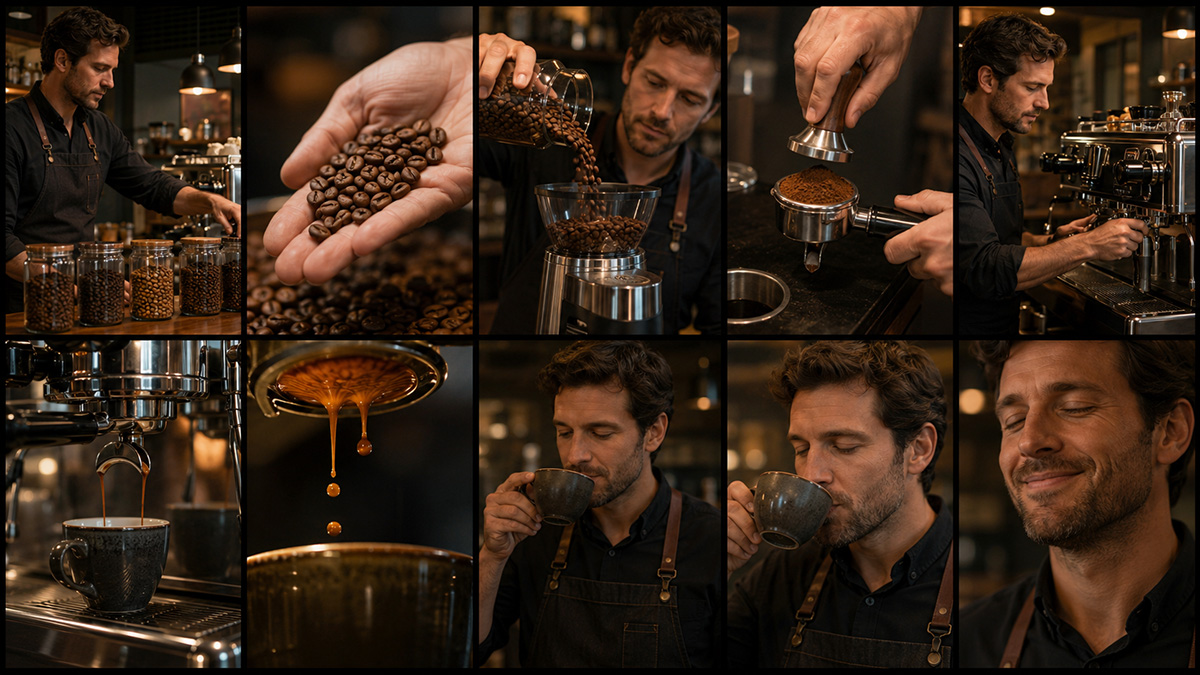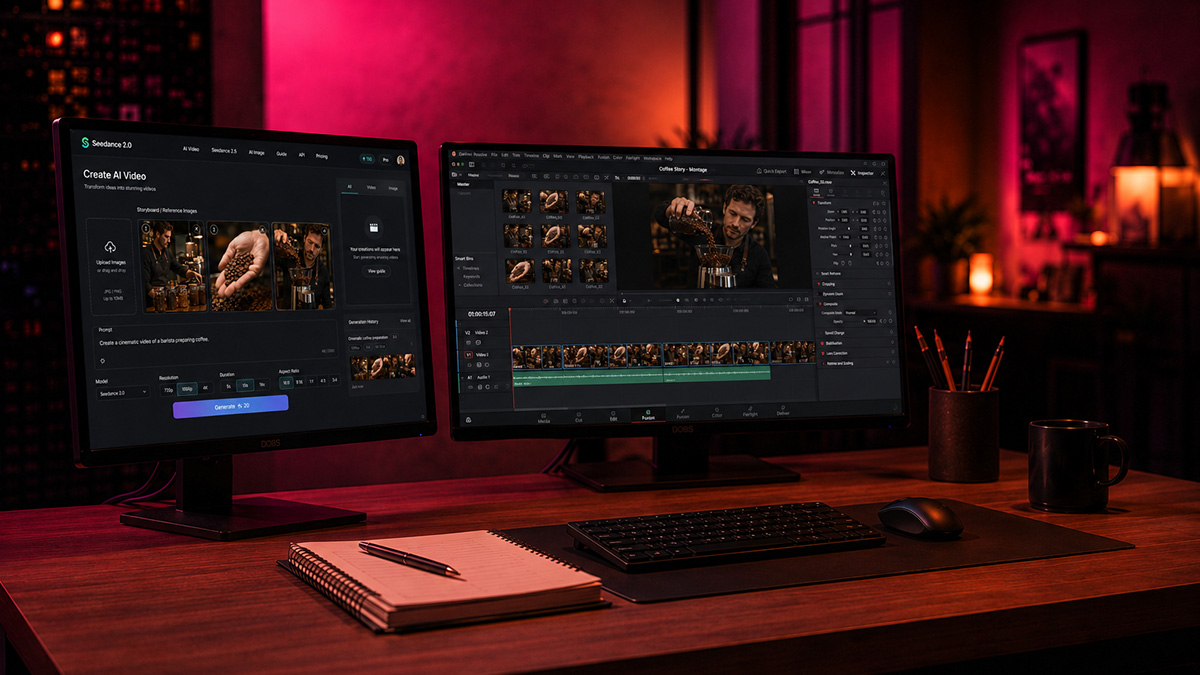

The key stages I follow during the design process
01 | Strategy and objectives
This stage allows me to clearly define the direction of the project and the result it needs to achieve before developing its visual elements.
Here, I define the priorities, the needs to address, the overall logic and the objective the design must serve.
Strategy and objectives allow me to anchor the project within a coherent, useful and relevant framework. This stage guides the design choices, gives meaning to the visual decisions and makes it possible to build an interface aligned with the message, the intended use and the expectations of the audience.
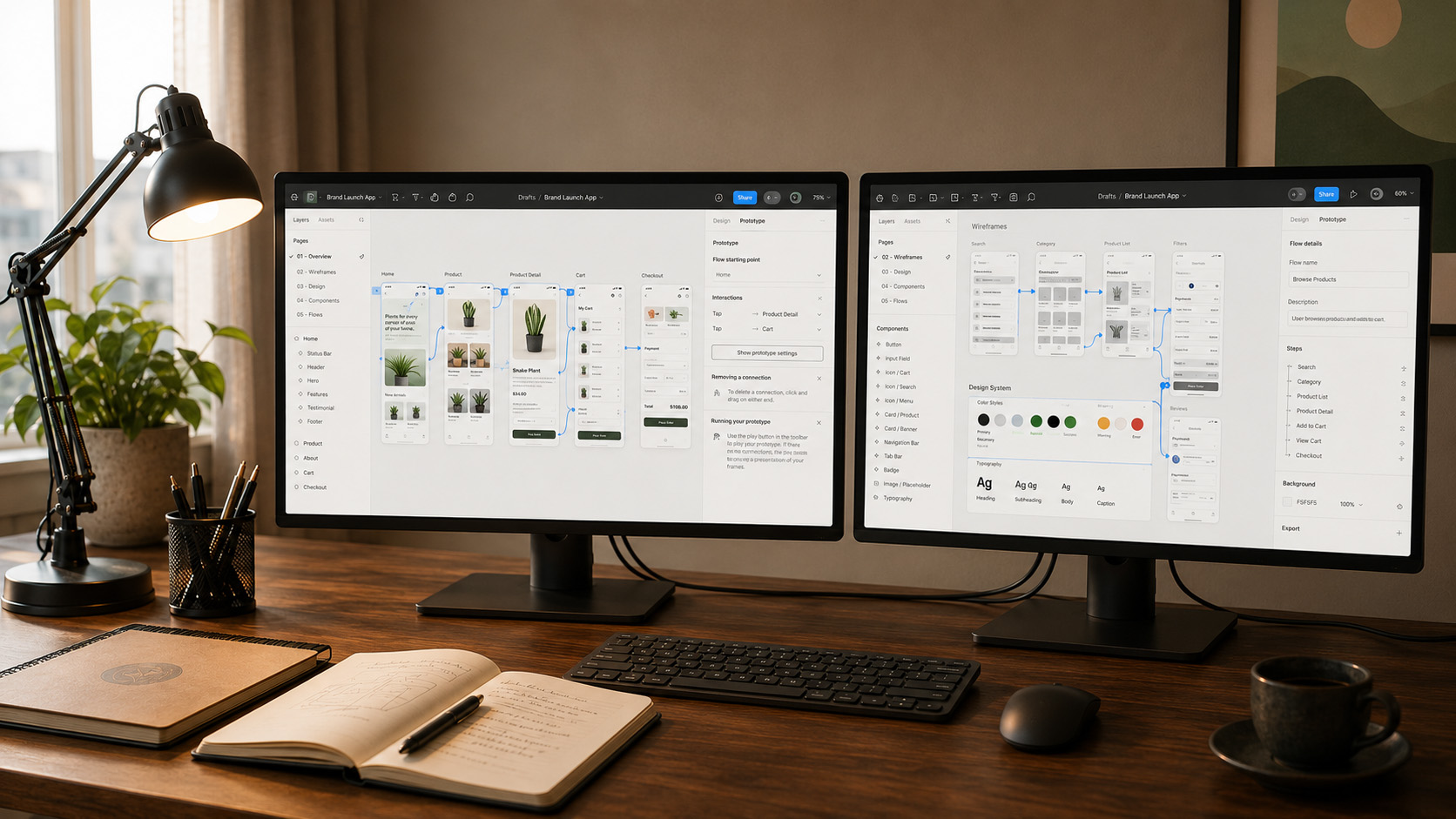
02 | Sketching
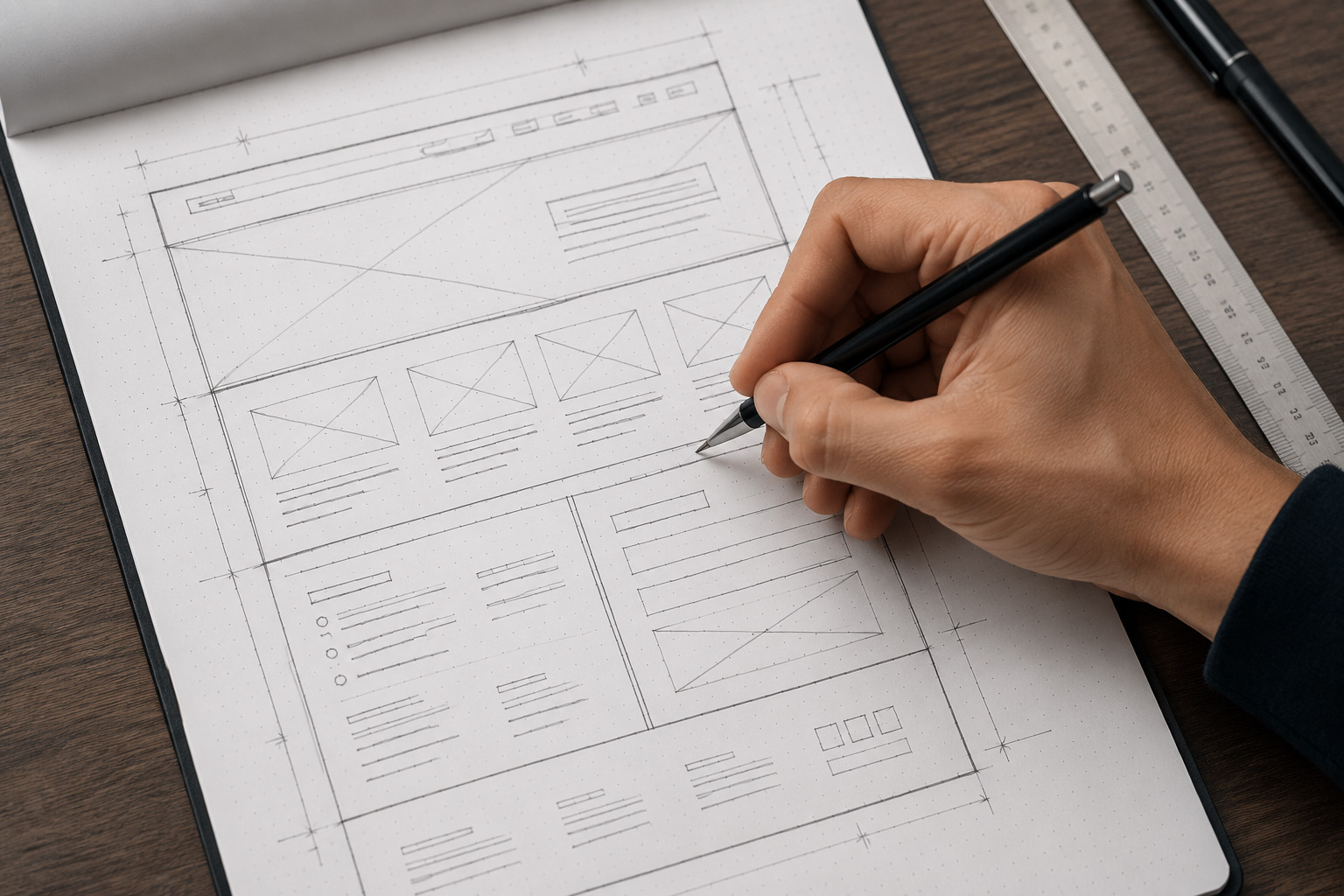

Before starting the design process on screen, I always define a clear foundation for what I want to build.
Sketching allows me to quickly establish an intention, a structure and a visual direction.
I create quick sketches to visualise my ideas, organise the layout and test several directions before moving to digital tools. This stage allows me to explore more freely, clarify the project from the outset and build on solid foundations.
03 | User flow
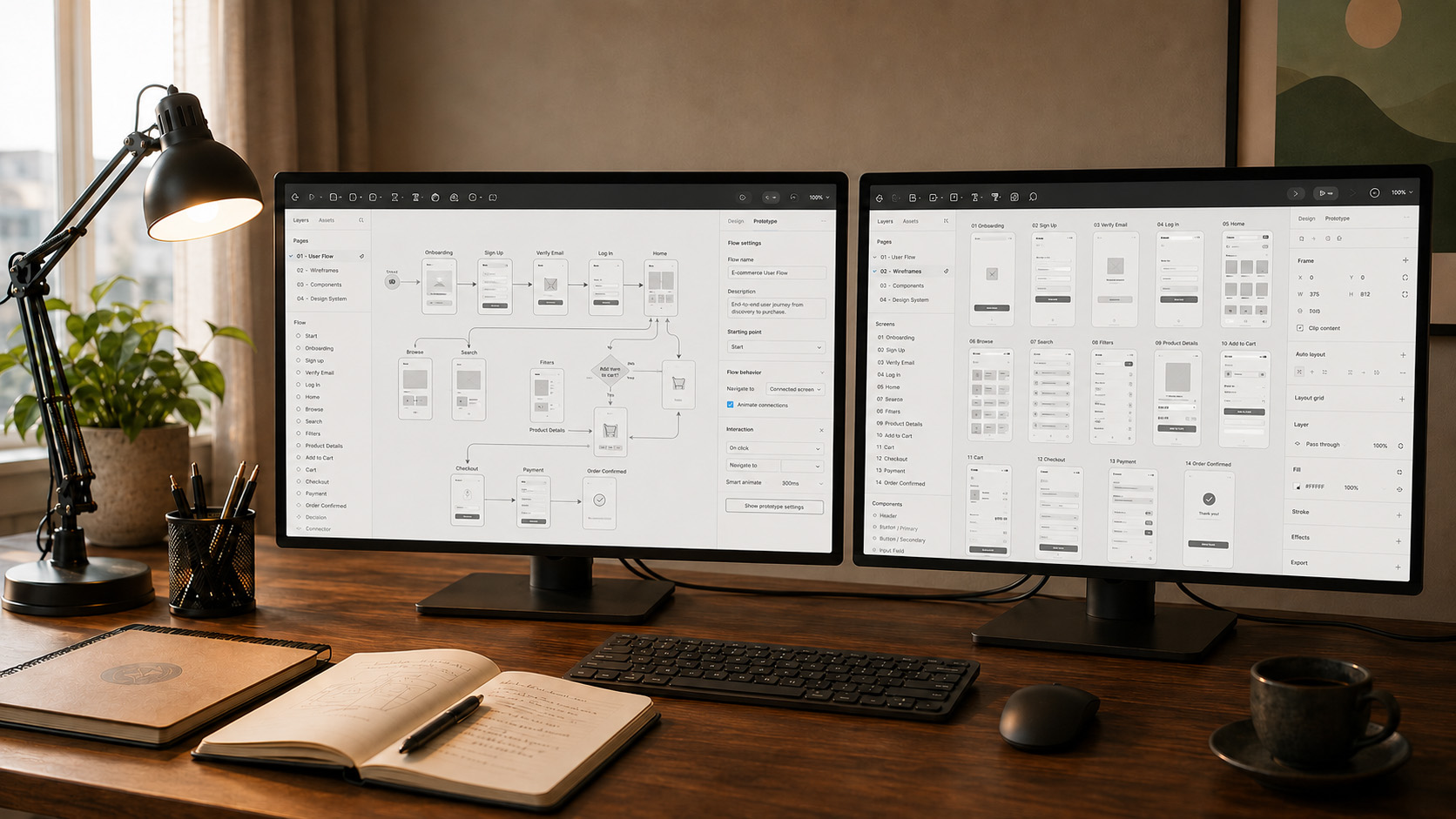
User flow allows me to structure the navigation logic and the consistency of actions at every stage.
I anticipate interactions, transitions between pages and the interface responses to each user action.
User flow defines the path followed within a website or an application. It helps me understand how the user navigates, where they click, what they expect and how they move from one screen to another. This stage allows me to identify points of friction and optimise the experience to make it more fluid, more intuitive and more effective.
04 | Wireframes
This stage allows me to transform the initial idea into a clear, readable and usable structure.
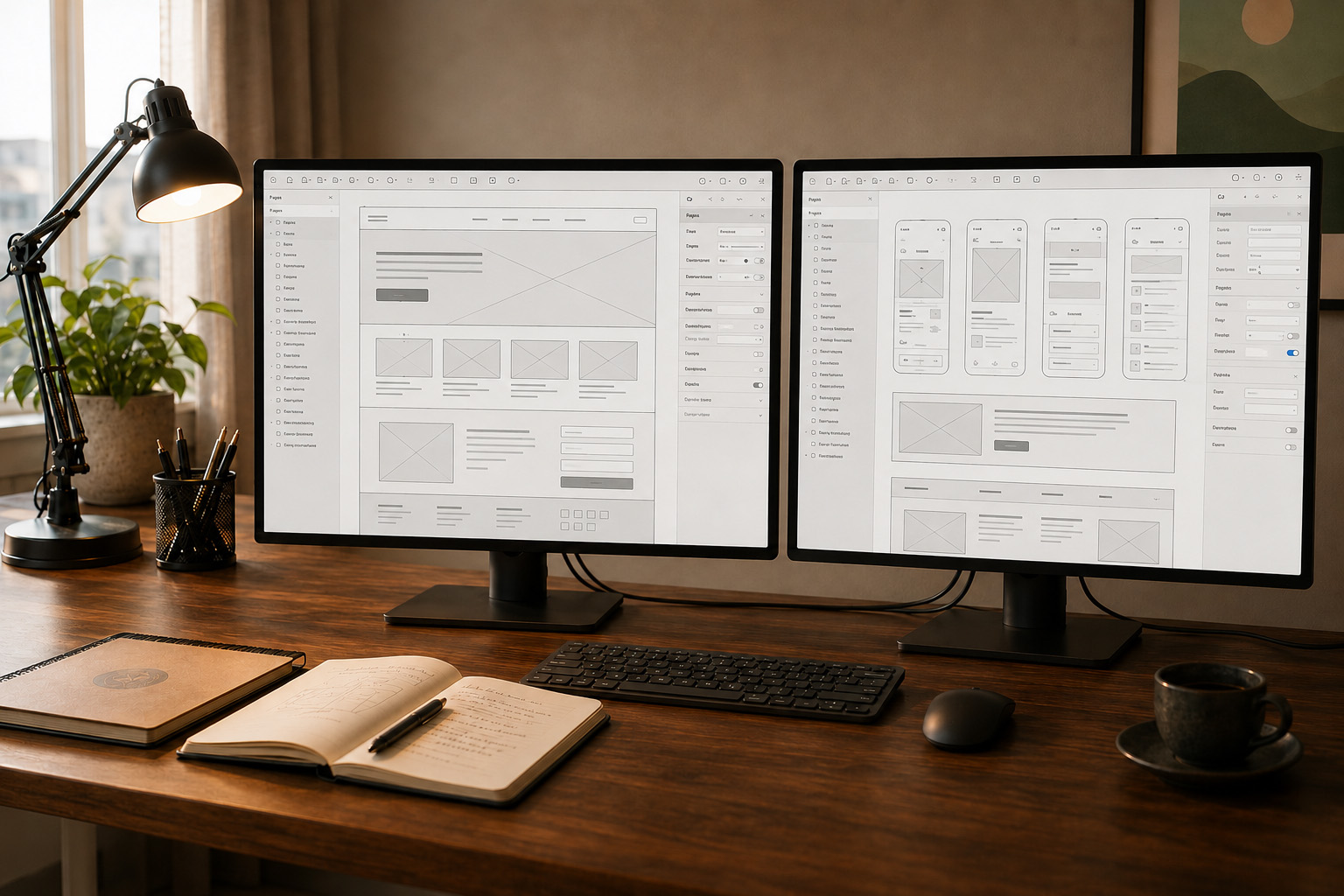
I use simple shapes and placeholder elements to define the placement of content, actions and functionalities. Wireframes provide a strategic foundation for validating the project structure, streamlining communication and preparing a coherent final design.